DU3- Underground heritage and European tourist caves.
DU3- Underground heritage and European tourist caves.
9 from J to O terms
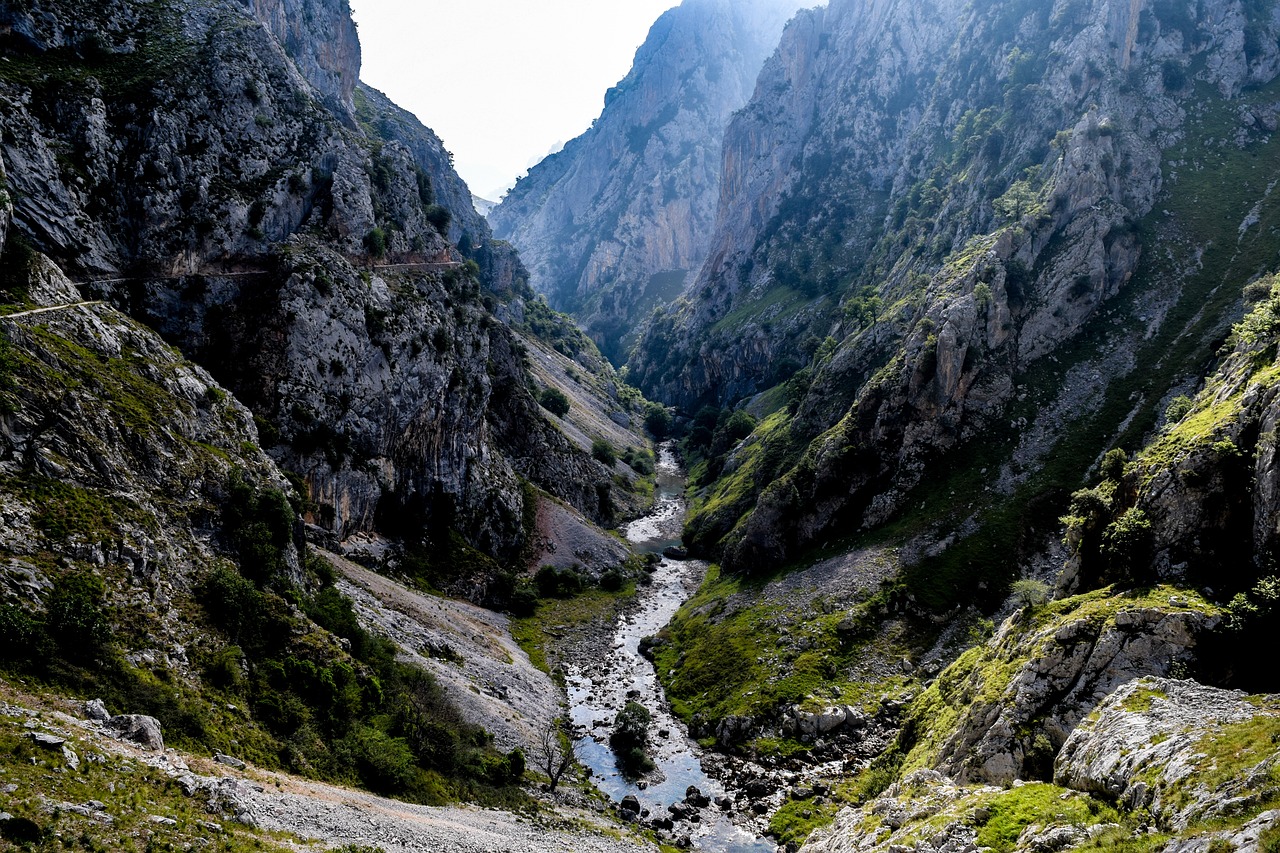
- Karst valleys
- Fluvial karst on karst rock mass, with vertical walls, that come in handy as fluvial valley like canyons and sickles or remaining out of current stream, calling in that way dry or die valleys.
- karstification
- Usually refers to the process where carbonate outcrops to the earth's surface due to tectonic movement and thereby is exposed to leeching and dissolution by atmospheric water.

- karts
- Is a type of landscape where the dissolving of the bedrock has created sinkholes, sinking streams, caves, springs, and other characteristic features. Karst is associated with soluble rock types such as limestone, marble, and gypsum.

- Lava Tubes
- A lava tube, or pyroduct is a natural conduit formed by flowing lava from a volcanic vent that moves beneath the hardened surface of a lava flow. If lava in the tube empties, it will leave a cave. This type of lava cave is formed when a low-viscosity lava flow develops a continuous and hard crust, which thickens and forms a roof above the still-flowing lava stream

- Limestone pavements or karrens
- They mean “field of stones” and they are minor forms of karst. They occur on naked surfaces or soil with vegetation, because runoff action originates blocks separate by channels or passages as a result soluble rock dissolution. First ones are produced by tectonic movements together with weathering as second ones are only the result of rock erosion. It usually takes place in high zones where limestone occurs

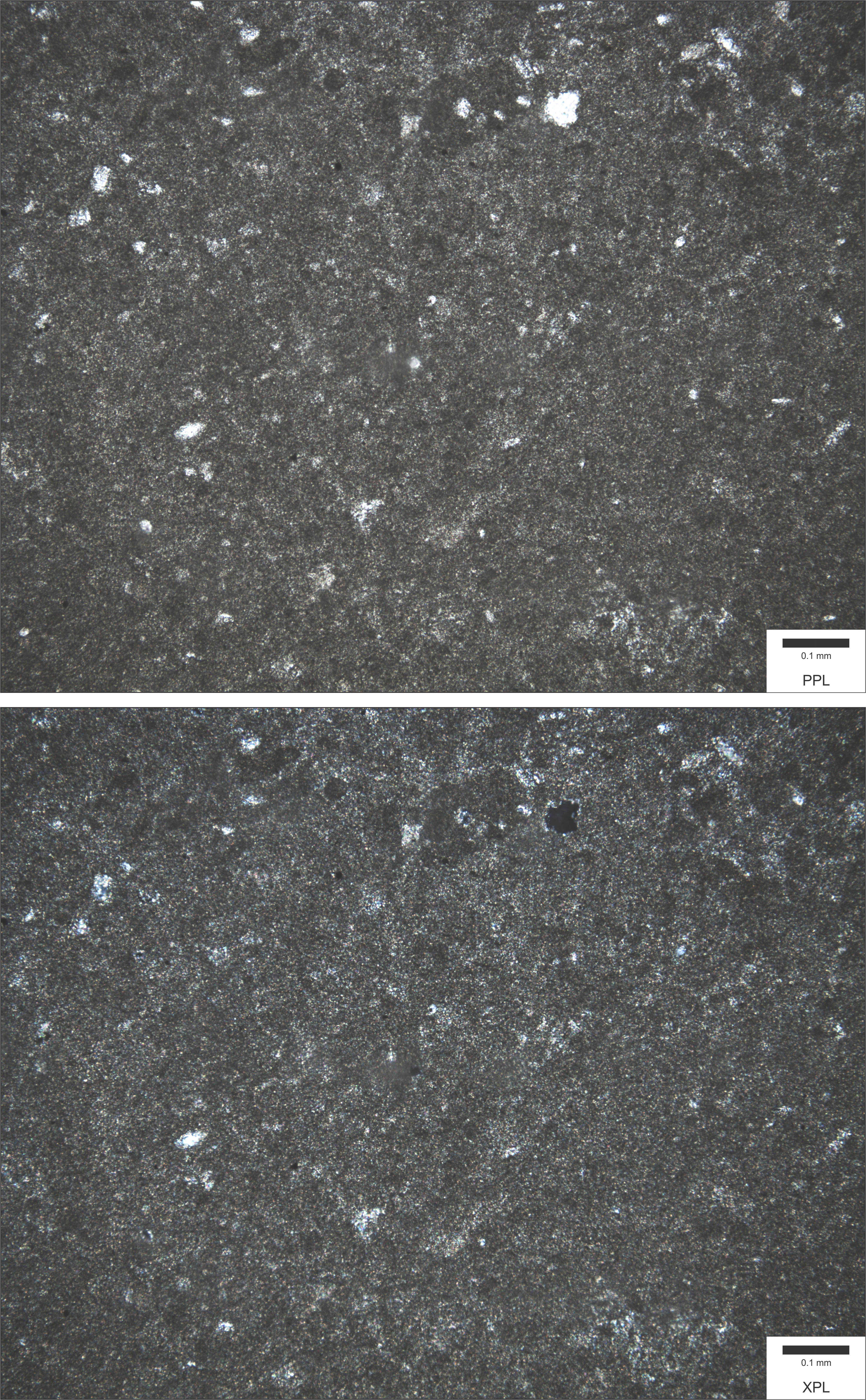
- Micrite
- Sedimentary rock formed of calcareous particles ranging in diameter from 0.06 to 2 mm (0.002 to 0.08 inch) that have been deposited mechanically rather than from solution.
- Mogotes
- When most of rock has been dissolved because karst processes, sharp, conical and pyramid reliefs remain.

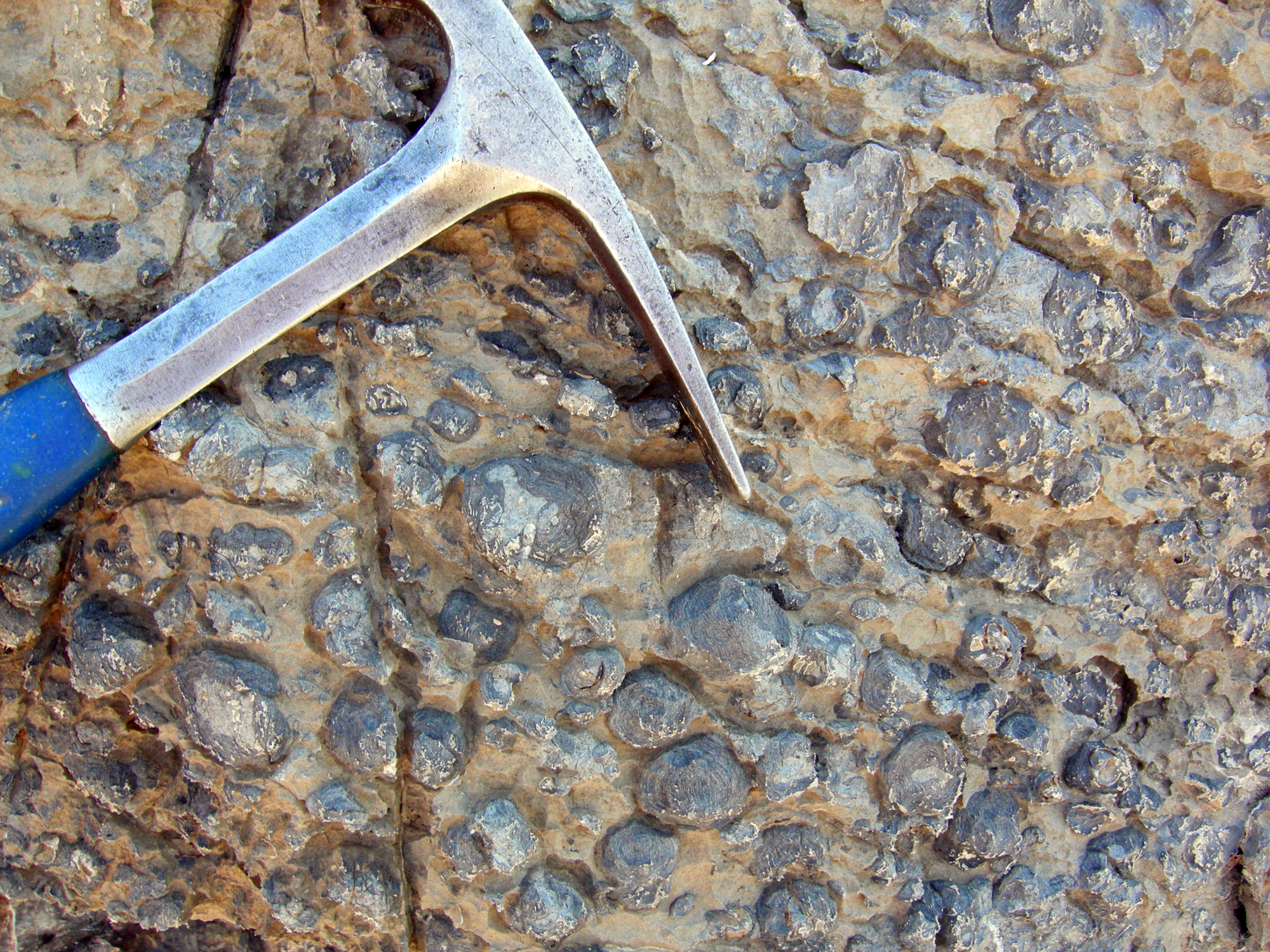
- Oncolihts
- Due to algae activity, nucleus surrounding layers are not regular.
- Oolites
- Spheric sand grains formed by regular carbonate layers surrounding a nucleus. They originate in shallow seas where waves are constant
